


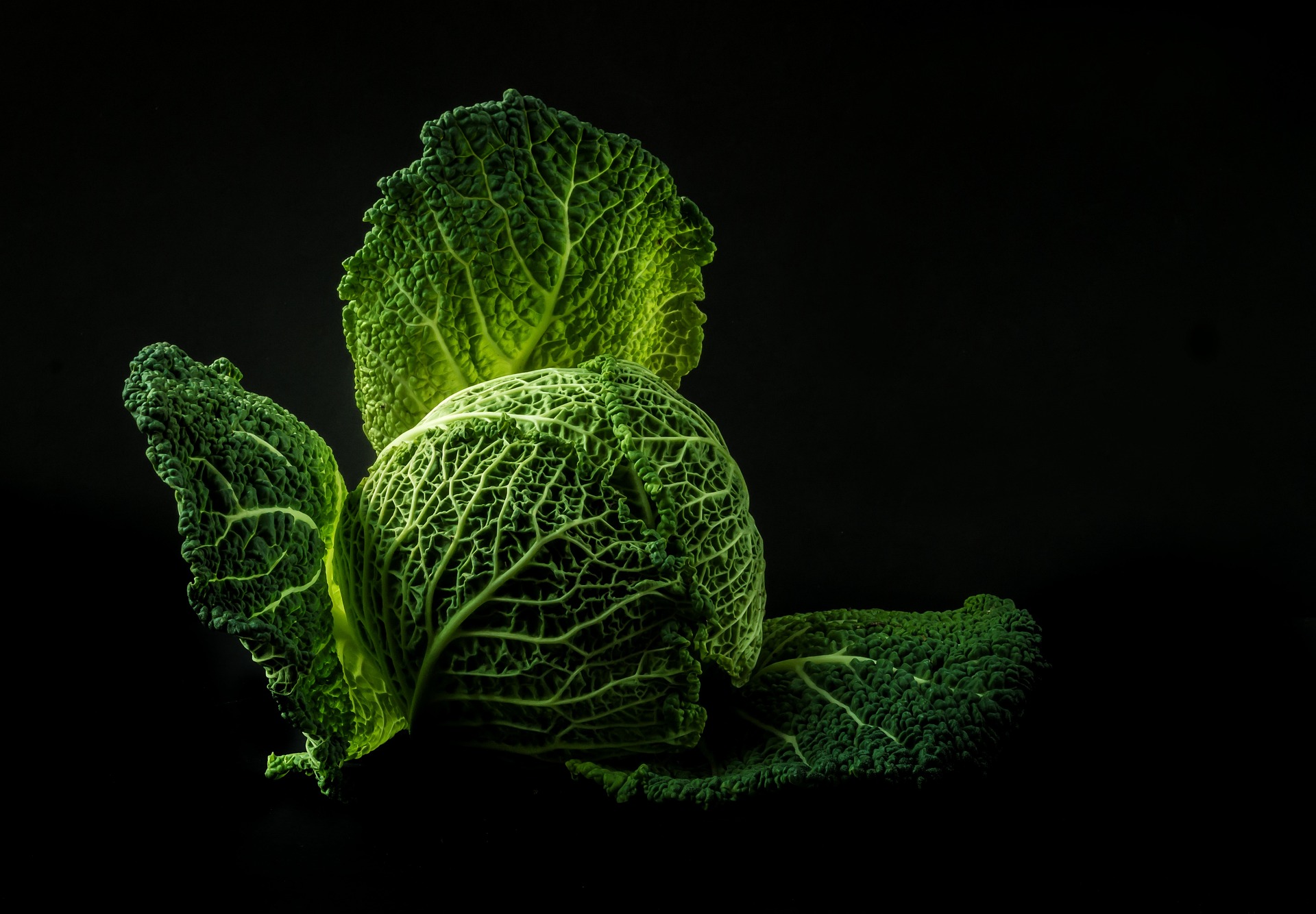
Cabbage: A Nutrient-Packed Cruciferous Vegetable
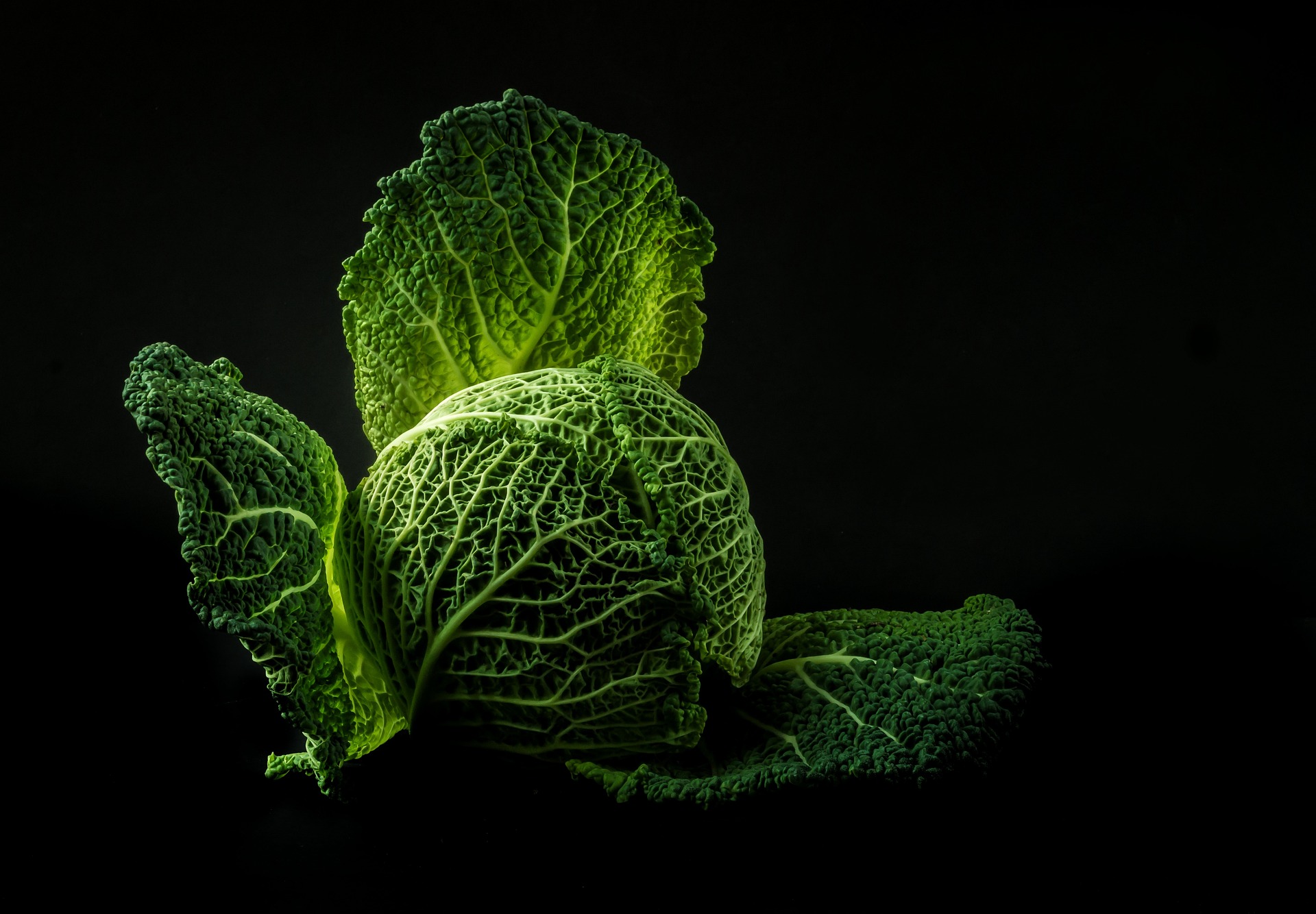
Cabbage, with its distinct round shape and vibrant leaves, is a versatile and nutritious vegetable that has been enjoyed for centuries. Whether used as a key ingredient in salads, soups, or stir-fries, or fermented into sauerkraut, cabbage offers a range of health benefits and a delightful crunch. In this article, we will explore the nutritional value of cabbage, its potential health benefits, and ways to incorporate it into your diet. Let’s dive into the world of cabbage and discover why it deserves a prominent place on your plate!
Introduction
Cabbage, scientifically known as Brassica oleracea, is a leafy vegetable belonging to the cruciferous family. It is believed to have originated in Europe and Asia, and its popularity has spread worldwide due to its versatility and nutritional value. Cabbage comes in different varieties, including green, red, and savoy, each offering its own unique flavor and texture.
Nutritional Composition of Cabbage
Cabbage is a low-calorie vegetable that provides an abundance of essential nutrients. A 1-cup (89 grams) serving of chopped raw cabbage contains approximately:
– Calories: 22
– Carbohydrates: 5 grams
– Fiber: 2 grams
– Protein: 1 gram
– Vitamin C: 54% of the Recommended Daily Intake (RDI)
– Vitamin K: 85% of the RDI
– Folate: 10% of the RDI
– Calcium: 4% of the RDI
– Potassium: 4% of the RDI
Health Benefits of Cabbage
Rich in Vitamins and Minerals
Cabbage is a nutritional powerhouse, packed with vitamins and minerals essential for overall health. It is particularly high in vitamin C, which supports the immune system, promotes collagen production, and acts as an antioxidant. Vitamin K, folate, calcium, and potassium are also present in significant amounts, contributing to bone health, blood clotting, cell function, and electrolyte balance.
Antioxidant Properties
Cabbage contains a variety of antioxidants, such as polyphenols and sulfur compounds, which help protect the body against oxidative stress and inflammation. These antioxidants have been linked to a reduced risk of chronic diseases, including heart disease, certain cancers, and age-related macular degeneration (AMD).
Digestive Health
The high fiber content in cabbage promotes digestive health by supporting regular bowel movements and preventing
constipation. It adds bulk to the stool, aiding in proper digestion and maintaining a healthy gut. Additionally, cabbage contains compounds called glucosinolates, which can be converted into compounds that support the growth of beneficial gut bacteria.
Heart Health
Including cabbage in your diet may contribute to heart health. The fiber, potassium, and antioxidants in cabbage can help lower blood pressure, reduce LDL (bad) cholesterol levels, and decrease the risk of heart disease. The presence of anthocyanins in red cabbage further enhances its heart-protective properties.
Potential Cancer-Fighting Properties
Cabbage belongs to the cruciferous vegetable family, known for its potential cancer-fighting properties. It contains glucosinolates, which can be converted into compounds like indole-3-carbinol (I3C) and sulforaphane. These compounds have been studied for their ability to inhibit the growth of cancer cells, particularly in relation to colorectal, breast, and lung cancers.
Ways to Enjoy Cabbage
Cabbage can be enjoyed in various forms, both raw and cooked, offering different textures and flavors. Here are some popular ways to enjoy cabbage:
Raw in Salads and Slaws
Add a crunchy and refreshing element to your salads by incorporating shredded or thinly sliced cabbage. Coleslaw, a classic dish made with cabbage, carrots, and a tangy dressing, is a delicious side dish or topping for sandwiches and tacos.
Cooked in Stir-Fries and Soups
Cabbage adds a delightful texture and flavor to stir-fries and soups. Sauté it with other vegetables, protein, and your choice of seasonings for a nutritious and satisfying meal. Cabbage can also be added to hearty soups and stews, providing a boost of nutrients and a pleasant crunch.
Fermented as Sauerkraut
Fermenting cabbage creates sauerkraut, a tangy and probiotic-rich condiment. Simply massage shredded cabbage with salt, pack it into a jar, and let it ferment for a few weeks. Sauerkraut can be enjoyed on its own or used as a flavorful addition to sandwiches, hot dogs, or grain bowls.
Stuffed Cabbage Rolls
Cabbage leaves make a perfect wrapping for delicious and hearty stuffed cabbage rolls. Fill blanched cabbage leaves with a mixture of rice, vegetables, and ground meat or plant-based protein. Bake the rolls in a tomato-based sauce for a satisfying and comforting dish.
Grilled or Roasted
Grilling or roasting cabbage can transform its flavor and texture. Cut the cabbage into thick wedges, brush them with olive oil, and grill or roast until tender and slightly charred. This method brings out the natural sweetness and adds a smoky flavor to the cabbage.
Incorporating Cabbage Into Your Diet
Recipes
Here are a few recipe ideas to help you incorporate cabbage into your diet:
– Cabbage and Apple Slaw: Combine shredded cabbage, sliced apples, raisins, and a creamy dressing made with Greek yogurt, lemon juice, and honey for a refreshing and nutritious slaw.
– Stir-Fried Cabbage with Garlic and Ginger: Sauté cabbage with minced garlic, grated ginger, soy sauce, and a touch of sesame oil for a flavorful and quick side dish.
– Vegetarian Stuffed Cabbage Rolls: Fill blanched cabbage leaves with a mixture of cooked quinoa, diced vegetables, beans, and spices. Bake the rolls in a tomato sauce until tender and golden.
– Grilled Cabbage Steaks: Cut the cabbage into thick slices, brush them with olive oil, sprinkle with salt and pepper, and grill them until charred and tender. Serve as a side dish or as a base for toppings like salsa or avocado.
Meal Ideas
Here are a few meal ideas that incorporate cabbage:
– Asian-inspired Stir-Fry: Stir-fry cabbage, carrots, bell peppers, and tofu or chicken with soy sauce, ginger, and garlic. Serve over brown rice or noodles for a flavorful and nutritious meal.
– Cabbage Soup: Prepare a hearty soup by simmering cabbage, onions, carrots, potatoes, and vegetable broth. Add herbs and spices for extra flavor and serve with a side of crusty bread.
– Cabbage and Lentil Salad: Combine shredded cabbage, cooked lentils, cherry tomatoes, cucumber, and feta cheese. Dress with a lemon vinaigrette for a satisfying and protein-packed salad.
– Cabbage and Sausage Skillet: Cook sliced sausage with cabbage, onions, and apples in a skillet. Season with herbs and spices of your choice for a comforting and one-pot meal.
Conclusion
Cabbage is a nutrient-packed cruciferous vegetable that offers a range of health benefits. It is rich in vitamins, minerals, antioxidants, and fiber, making it a valuable addition to a well-rounded diet. Whether enjoyed raw in salads, cooked in stir-fries and soups, or fermented into sauerkraut, cabbage provides a delightful crunch and adds depth to a variety of dishes. So make cabbage a regular part of your culinary adventures and reap the numerous health benefits it has to offer!
FAQs
Q1: Can cabbage help with weight loss?
Cabbage is a low-calorie and high-fiber vegetable that can contribute to weight loss. It provides a feeling of fullness, supports digestion, and can be part of a balanced and calorie-controlled diet.
Q2: Is cabbage suitable for individuals with digestive issues?
Cabbage contains fiber and can promote digestive health. However, some individuals may experience gas or bloating due to its high fiber content. It’s best to start with small amounts and gradually increase intake to allow the body to adjust.
Q3: Can cabbage help reduce the risk of certain cancers?
Cabbage belongs to the cruciferous vegetable family, which has been associated with a reduced risk of certain cancers. The presence of glucosinolates and other bioactive compounds in cabbage may contribute to its potential cancer-fighting properties.
Q4: Is cabbage suitable for individuals with thyroid conditions?
Cabbage contains goitrogens, substances that can interfere with thyroid function when consumed in large amounts. However, moderate consumption of cooked cabbage is generally safe for individuals with thyroid conditions.
Q5: Can cabbage be enjoyed raw in salads?
Yes, cabbage can be enjoyed raw in salads and slaws. Its crisp texture and mild sweetness make it a refreshing addition to various salad combinations.


