


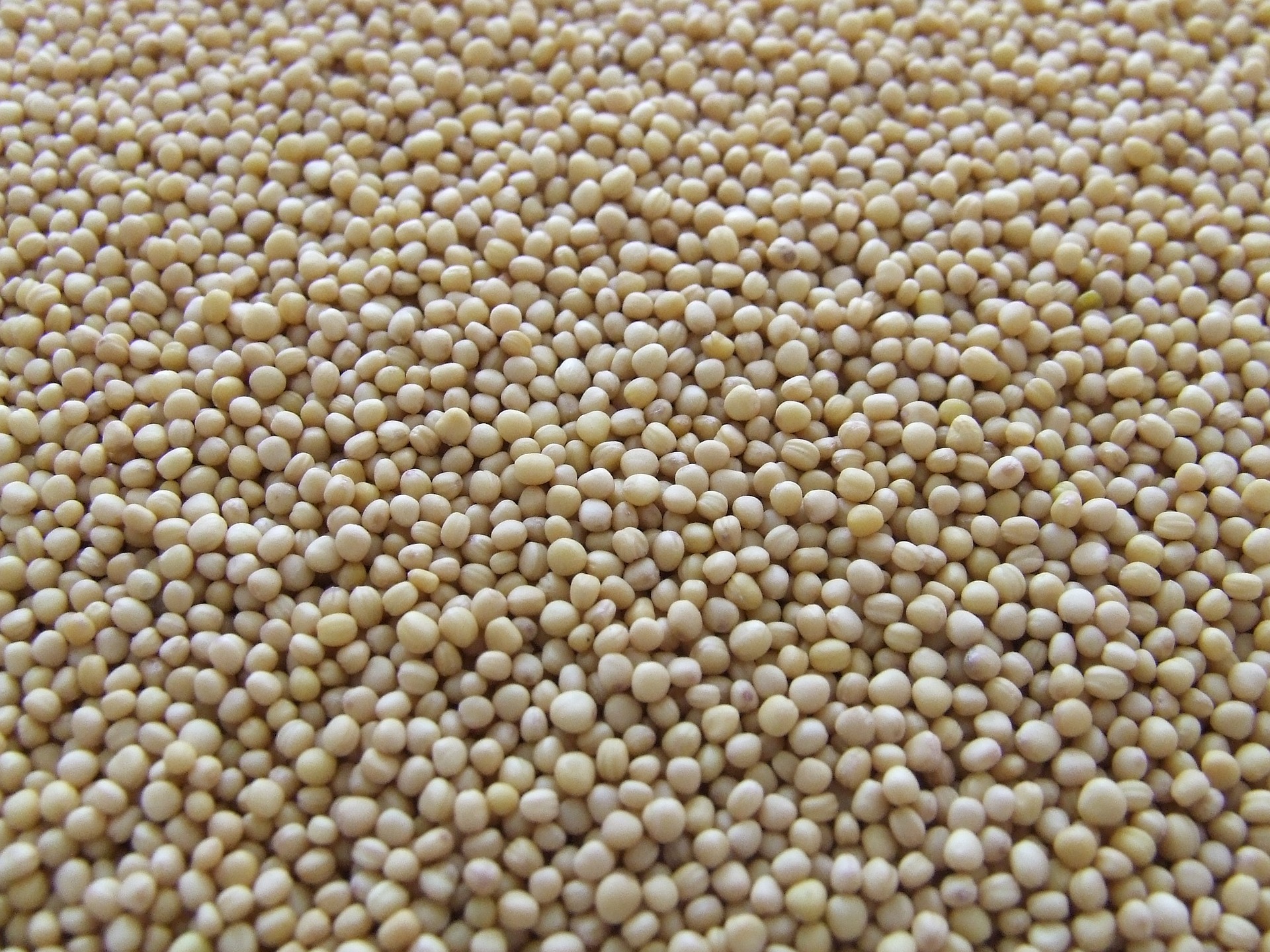
Mustard: A Versatile Condiment with Surprising Health Benefits
Mustard, the tangy and flavorful condiment, has been a staple in kitchens around the world for centuries. Not only does it enhance the taste of various dishes, but it also offers a range of health benefits. In this article, we will explore the nutritional value of mustard, its potential health benefits, and creative ways to incorporate it into your meals. Let’s dive into the world of mustard and discover why it’s more than just a condiment!
Introduction
Mustard, derived from the seeds of the mustard plant, is a condiment known for its distinctive taste and versatility. It is available in various forms, including yellow mustard, Dijon mustard, and whole grain mustard. Mustard adds depth and flavor to sandwiches, dressings, marinades, and a wide range of dishes. Beyond its culinary uses, mustard also offers several health benefits due to its nutrient content and bioactive compounds.
Nutritional Value of Mustard
Mustard is a low-calorie condiment that packs a nutritional punch. It is a good source of essential nutrients, including:
– Calories: Approximately 5 calories per teaspoon
– Fat: Less than 1 gram
– Carbohydrates: Less than 1 gram
– Fiber: Less than 1 gram
– Protein: Less than 1 gram
– Vitamin C: Provides a small amount of vitamin C
– Iron: Provides a small amount of iron
– Calcium: Provides a small amount of calcium
While mustard may not be a significant source of macronutrients, its health benefits lie in its phytochemical compounds and antioxidants.
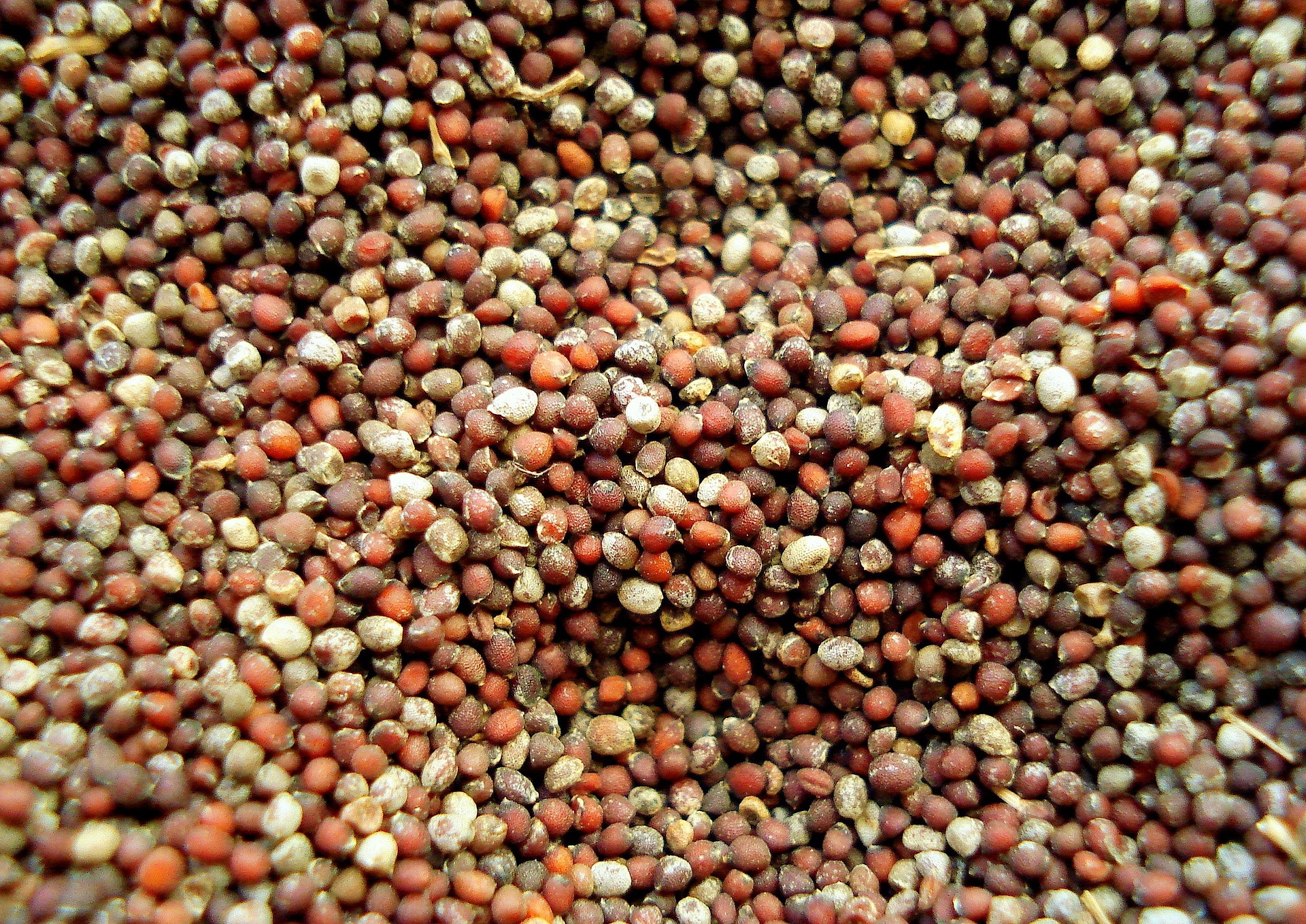
Health Benefits of Mustard
Rich in Nutrients
While mustard may not be a significant source of macro and micronutrients, it does contribute small amounts of certain vitamins and minerals. These include vitamin C, iron, and calcium. Although the amounts may be modest, incorporating mustard as part of a balanced diet can contribute to overall nutrient intake.
Antioxidant Properties
Mustard contains antioxidants, which help protect the body against oxidative stress and cell damage caused by free radicals. The antioxidants in mustard, such as flavonoids and phenolic compounds, have been associated with various health benefits, including reduced risk of chronic diseases like heart disease, cancer, and neurodegenerative disorders.
Digestive Aid
Mustard seeds contain a compound called myrosinase, which aids in digestion by stimulating the production of digestive enzymes. This can
help improve digestion and nutrient absorption. Additionally, mustard seeds are a good source of dietary fiber, which adds bulk to the stool and supports regular bowel movements.
Anti-Inflammatory Effects
Mustard contains compounds with potential anti-inflammatory properties. Research suggests that certain components in mustard, such as isothiocyanates, can help reduce inflammation in the body. Chronic inflammation is associated with various health conditions, including heart disease, arthritis, and certain types of cancer. Including mustard in your diet may contribute to an anti-inflammatory eating pattern.
Potential Cancer-Fighting Properties
Mustard seeds contain compounds called glucosinolates, which have been linked to potential cancer-fighting properties. When broken down during digestion, glucosinolates are converted into isothiocyanates, which may help inhibit the growth of cancer cells and promote their destruction. However, more research is needed to fully understand the mechanisms and potential benefits of mustard in cancer prevention.
Ways to Enjoy Mustard
Mustard is a versatile condiment that can be enjoyed in various ways. Here are some popular ways to incorporate mustard into your meals:
As a Condiment
The most common use of mustard is as a condiment for sandwiches, burgers, hot dogs, and sausages. Its tangy and zesty flavor adds a delightful kick to these dishes.
Salad Dressings and Marinades
Mustard can be used as a base for homemade salad dressings and marinades. Mix mustard with olive oil, vinegar, herbs, and spices to create a flavorful dressing or marinade for meats, poultry, fish, or vegetables.
Mustard-Glazed Meats and Vegetables
Create a delicious mustard glaze for roasted or grilled meats and vegetables. Mix mustard with honey, soy sauce, garlic, and other seasonings to make a tangy and sweet glaze that adds flavor and moisture to your dishes.
Mustard in Dips and Sauces
Use mustard as an ingredient in dips and sauces. Combine mustard with mayonnaise, yogurt, or sour cream to create a flavorful dip for vegetables, pretzels, or chicken wings. Mustard can also be added to barbecue sauces, aiolis, or sandwich spreads for an extra burst of flavor.
Mustard in Baked Goods
Mustard can be incorporated into baked goods to add a unique flavor profile. Add a touch of mustard to bread dough, pretzels, or cheese-based pastries for an unexpected twist.
Incorporating Mustard Into Your Diet
Recipes
Here are a few recipe ideas to help you incorporate mustard into your diet:
– Honey Mustard Salmon: Combine Dijon mustard, honey, lemon juice, and garlic. Brush the mixture over salmon fillets and bake until cooked through for a flavorful and nutritious main course.
– Mustard-Roasted Vegetables: Toss mixed vegetables, such as carrots, Brussels sprouts, and potatoes, with olive oil, whole grain mustard, and herbs. Roast until tender and golden for a delicious side dish.
– Mustard Vinaigrette: Whisk together Dijon mustard, vinegar, olive oil, honey, and herbs for a tangy and versatile dressing. Drizzle it over salads or use it as a marinade for grilled vegetables or chicken.
Meal Ideas
Here are a few meal ideas that incorporate mustard:
– Sandwich: Spread mustard on whole-grain bread and layer with lean protein, such as turkey or chicken, along with vegetables and your choice of cheese for a satisfying and flavorful sandwich.
– Grilled Chicken with Mustard Marinade: Marinate chicken breasts in a mixture of Dijon mustard, garlic, lemon juice, and herbs. Grill until cooked through and serve with a side of roasted vegetables or a fresh salad.
– Mustard-Glazed Pork Tenderloin: Coat pork tenderloin with a mixture of whole grain mustard, maple syrup, garlic, and spices. Roast in the oven until cooked to perfection, and serve with your favorite side dishes.
– Mustard and Herb Roasted Potatoes: Toss quartered potatoes with whole grain mustard, olive oil, garlic, and your choice of herbs. Roast until crispy and golden for a flavorful and satisfying side dish.
– Mustard and Quinoa Salad: Combine cooked quinoa with diced vegetables, such as bell peppers, cucumbers, and cherry tomatoes. Drizzle with a dressing made of mustard, lemon juice, olive oil, and herbs for a refreshing and nutritious salad.
Conclusion
Mustard is more than just a condiment; it’s a flavorful and versatile ingredient that offers surprising health benefits. With its nutrient content and bioactive compounds, mustard can contribute to a well-rounded and nutritious diet. Whether used as a condiment, added to dressings, marinades, or incorporated into various dishes, mustard adds a zesty and tangy kick to your meals while providing potential health benefits.
FAQs
Q1: Is mustard gluten-free?
Mustard itself is gluten-free. However, some commercially prepared mustard products may contain added ingredients that could potentially contain gluten. It’s important to read labels and choose mustard products that are certified gluten-free if you have celiac disease or gluten sensitivity.
Q2: Can mustard be used as a substitute for mayonnaise?
Yes, mustard can be used as a healthier alternative to mayonnaise in sandwiches, salads, and dips. Its tangy flavor adds a similar zing while providing fewer calories and fat.
Q3: Is mustard spicy?
Mustard can vary in spiciness depending on the type and variety. Yellow mustard tends to be milder, while Dijon mustard and whole grain mustard have a stronger and more pungent flavor. Adjust the amount of mustard used in recipes according to your taste preferences.
Q4: Can mustard help with digestion?
Mustard seeds contain myrosinase, a compound that stimulates the production of digestive enzymes and aids in digestion. Incorporating mustard into your meals can potentially support healthy digestion.
Q5: Can mustard be stored at room temperature?
Unopened mustard can typically be stored at room temperature. However, once opened, it is best to refrigerate mustard to maintain its quality and extend its shelf life.


