


Spinach: The Nutrient-Packed Leafy Green
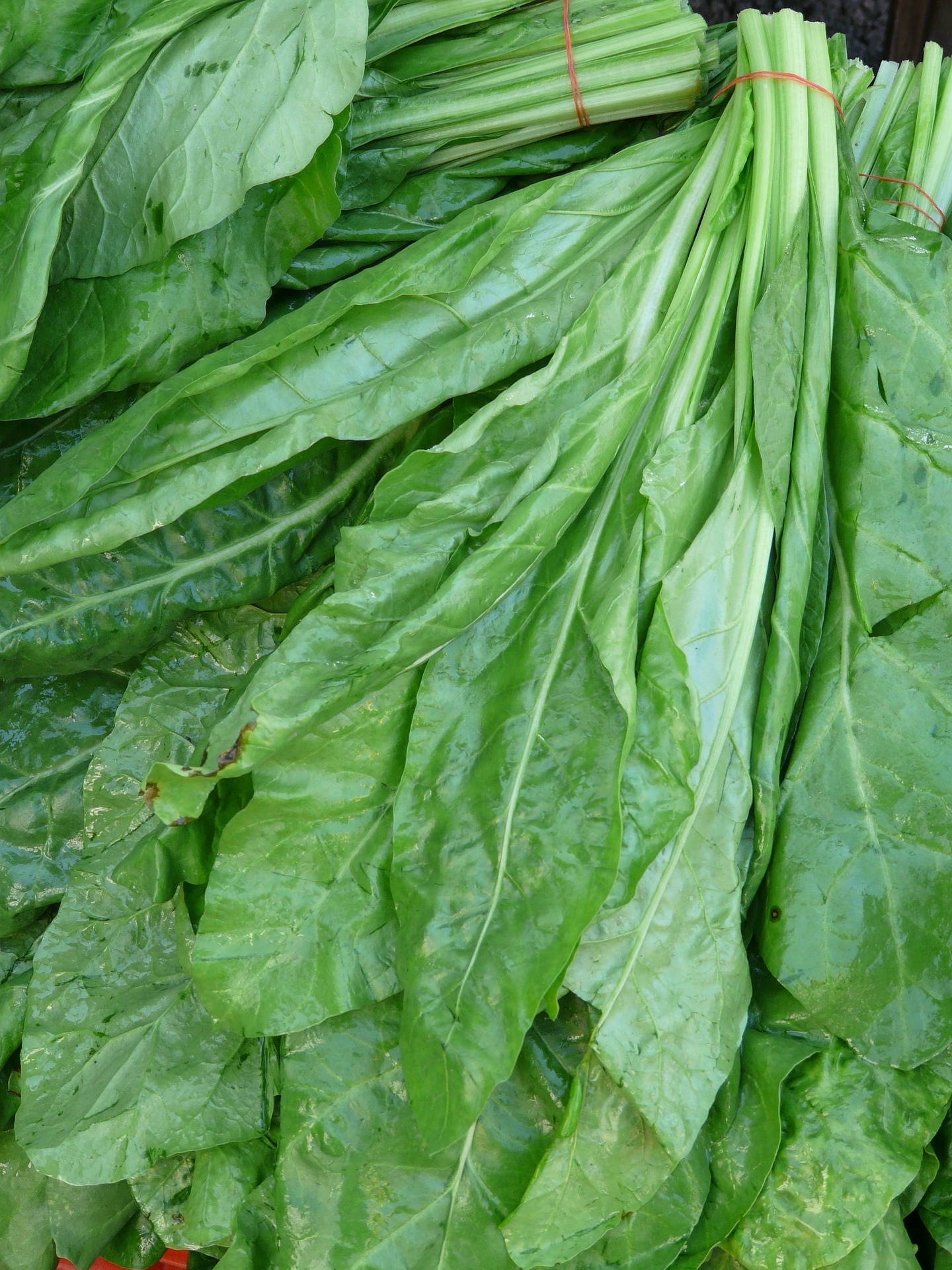
Spinach, with its vibrant green leaves and tender texture, is a nutrient-packed powerhouse that deserves a place in your daily diet. This leafy green vegetable is not only delicious but also incredibly beneficial for your overall health and well-being. In this article, we will delve into the nutritional value of spinach, explore its potential health benefits, and discover creative ways to incorporate it into your meals. Get ready to unlock the secrets of spinach and embrace this leafy green superhero!
Introduction to Spinach: The Nutrient-Packed Leafy Green
Spinach, scientifically known as Spinacia oleracea, belongs to the Amaranthaceae family and is native to central and southwestern Asia. It has been cultivated for centuries and is celebrated for its versatility and nutritional profile. Whether enjoyed raw in salads or cooked in various dishes, spinach offers a plethora of health benefits.
Nutritional Value of Spinach: The Nutrient-Packed Leafy Green
Spinach is a nutritional powerhouse, packed with an array of vitamins, minerals, and phytonutrients. A 100-gram serving of raw spinach provides approximately:
– Calories: 23
– Carbohydrates: 3.6 grams
– Protein: 2.9 grams
– Fat: 0.4 grams
– Fiber: 2.2 grams
– Vitamin A: 187% of the Recommended Daily Intake (RDI)
– Vitamin C: 46% of the RDI
– Vitamin K1: 604% of the RDI
– Folate: 15% of the RDI
– Iron: 15% of the RDI
– Calcium: 3% of the RDI
In addition to these nutrients, spinach also contains small amounts of potassium, magnesium, vitamin E, and various B vitamins.

Health Benefits of Spinach: The Nutrient-Packed Leafy Green
Rich in Essential Nutrients
Spinach is a nutrient-dense food, providing a wide range of essential vitamins and minerals. Its high vitamin A content supports healthy vision and immune function, while vitamin C contributes to collagen production and boosts the immune system. Vitamin K1 plays a crucial role in blood clotting and bone health, while iron is essential for oxygen transport in the body.
Excellent Source of Antioxidants
Spinach is loaded with antioxidants that help protect the body from oxidative stress and damage caused by free radicals. The antioxidants in spinach, such as vitamin C, vitamin E, beta-carotene, and various flavonoids, may reduce the risk of chronic diseases, including heart disease, cancer, and neurodegenerative disorders.
Promotes Heart Health
Spinach’s rich nutrient profile, including its high levels of potassium and magnesium, contributes to heart health. Potassium helps maintain healthy blood pressure levels, while magnesium supports proper muscle and nerve function. Additionally, the antioxidants and nitric oxide in spinach may help relax blood vessels and improve blood flow, promoting cardiovascular well-being.
Supports Bone Health
Spinach is a good source of vitamin K1, which plays a vital role in bone health by assisting in calcium regulation and promoting bone mineralization. Adequate vitamin K intake has been associated with a reduced risk of fractures and improved bone density. Including spinach in your diet can contribute to maintaining strong and healthy bones.
May Aid in Digestion
Spinach contains fiber, which aids in maintaining a healthy digestive system. Fiber adds bulk to the stool, promotes regularity, and supports a healthy gut microbiome. Consuming spinach can help prevent constipation and promote a healthy digestive tract.
Creative Ways to Enjoy Spinach: The Nutrient-Packed Leafy Green
Spinach’s mild flavor and versatile nature make it a wonderful addition to a wide range of dishes. Here are some creative ways to enjoy spinach:
Fresh Spinach Salad
Create a vibrant and nutritious salad by combining fresh spinach leaves with a variety of colorful vegetables, such as cherry tomatoes, sliced cucumbers, bell peppers, and grated carrots. Add some protein-rich toppings like grilled chicken, boiled eggs, or crumbled feta cheese. Drizzle with a light vinaigrette or lemon juice for a refreshing and healthy meal.
Spinach Smoothies
Boost the nutritional value of your smoothies by adding a handful of spinach. Its mild taste blends well with fruits like bananas, berries, and mangoes. Combine spinach with your favorite fruits, a liquid base like almond milk or coconut water, and a scoop of protein powder for a nutrient-packed and energizing smoothie.
Sautéed Spinach
Sautéing spinach is a quick and simple way to enjoy this leafy green. Heat a drizzle of olive oil in a pan, add minced garlic, and sauté until fragrant. Add fresh spinach leaves and cook until wilted. Season with salt, pepper, and a squeeze of lemon juice for a flavorful and nutritious side dish.
Spinach in Soups and Stews
Add a handful of spinach to your favorite soups and stews during the last few minutes of cooking. The heat will wilt the spinach, adding vibrant color and a boost of nutrients to your comforting bowl of goodness. Spinach pairs well with vegetable, chicken, and lentil-based soups.
Spinach in Pasta Dishes
Enhance your pasta dishes by incorporating spinach. Sauté spinach with garlic and olive oil, then toss it with cooked pasta, grated Parmesan cheese, and a sprinkle of red pepper flakes for a simple yet flavorful meal. You can also add spinach to lasagna, stuffed shells, or creamy spinach and mushroom pasta for an extra nutrient kick.
Incorporating Spinach Into Your Diet
Recipes
Here are a few recipes that incorporate spinach:
– Spinach and Feta Stuffed Chicken Breast: Butterfly chicken breasts and stuff them with a mixture of cooked spinach, crumbled feta cheese, and minced garlic. Bake until the chicken is cooked through and the cheese is melted for a delicious and protein-packed main dish.
– Spinach and Mushroom Quiche: Prepare a savory quiche by sautéing spinach, mushrooms, and onions. Mix them with beaten eggs, milk, shredded cheese, and seasonings. Pour the mixture into a pie crust and bake until golden and set. Serve slices of the quiche as a delightful brunch or light dinner option.
– Spinach and Chickpea Curry: Make a flavorful curry by sautéing onions, garlic, and spices like turmeric, cumin, and coriander. Add spinach, chickpeas, coconut milk, and vegetable broth. Simmer until the flavors meld together and the spinach wilts. Serve the curry with steamed rice or naan bread for a satisfying and nutritious meal.
Meal Ideas
Here are a few meal ideas that incorporate spinach:
– Spinach and Strawberry Salad: Combine fresh spinach leaves, sliced strawberries, crumbled goat cheese, and chopped walnuts. Toss with a light balsamic vinaigrette for a refreshing and nutritious salad.
– Spinach and Tomato Omelette: Whisk eggs with a splash of milk, salt, and pepper. Pour the mixture into a heated non-stick pan and cook until the edges set. Add sautéed spinach and diced tomatoes. Fold the omelette and cook until the eggs are fully set. Serve with a side of whole-grain toast for a protein-packed breakfast or brunch.
– Chicken and Spinach Stir-Fry: Sauté sliced chicken breast with garlic, ginger, and soy sauce. Add a generous amount of fresh spinach leaves and stir-fry until wilted. Serve over steamed rice or quinoa for a quick and nutritious weeknight dinner.
Conclusion
Spinach is a nutrient-packed leafy green that offers a myriad of health benefits. From its impressive nutritional value to its potential in supporting heart and bone health, spinach is a true superfood. By incorporating spinach into your meals through creative and delicious ways, you can enjoy its vibrant flavor while reaping the rewards of its exceptional nutritional content.
FAQs
Q1: Can I eat spinach raw?
Yes, spinach can be consumed both raw and cooked. Raw spinach leaves are a great addition to salads and sandwiches, while cooked spinach can be used in various dishes such as stir-fries, soups, and casseroles.
Q2: How can I store spinach to keep it fresh?
To keep spinach fresh, remove any damaged leaves and store it in a clean, breathable container lined with a paper towel to absorb excess moisture. Place it in the refrigerator and use it within a few days for the best quality.
Q3: Is spinach a good source of iron?
Yes, spinach is a source of iron, but it also contains compounds called oxalates that can inhibit iron absorption. Pairing spinach with foods high in vitamin C, such as citrus fruits or bell peppers, can enhance iron absorption.
Q4: Can spinach help with weight loss?
Spinach is a low-calorie and nutrient-dense food that can be beneficial for weight loss. It is high in fiber, which helps promote satiety and keeps you feeling full for longer.
Q5: Can spinach be frozen?
Yes, spinach can be frozen. Blanch the spinach leaves in boiling water for a few seconds, then transfer them to an ice bath to cool. Drain and squeeze out excess moisture before freezing in airtight containers or freezer bags. Frozen spinach can be used in smoothies, soups, and cooked dishes.


