


Lentils: A Nutrient-Dense and Versatile Legume
Lentils, a type of legume, have been a staple in diets across various cultures for thousands of years. These small but mighty legumes pack a powerful nutritional punch and offer a range of health benefits. In this article, we will explore the nutritional value of lentils, their potential health benefits, and creative ways to incorporate them into your meals. Get ready to discover why lentils are a fantastic addition to a balanced and nutritious diet!
Introduction to Lentils: A Nutrient-Dense and Versatile Legume
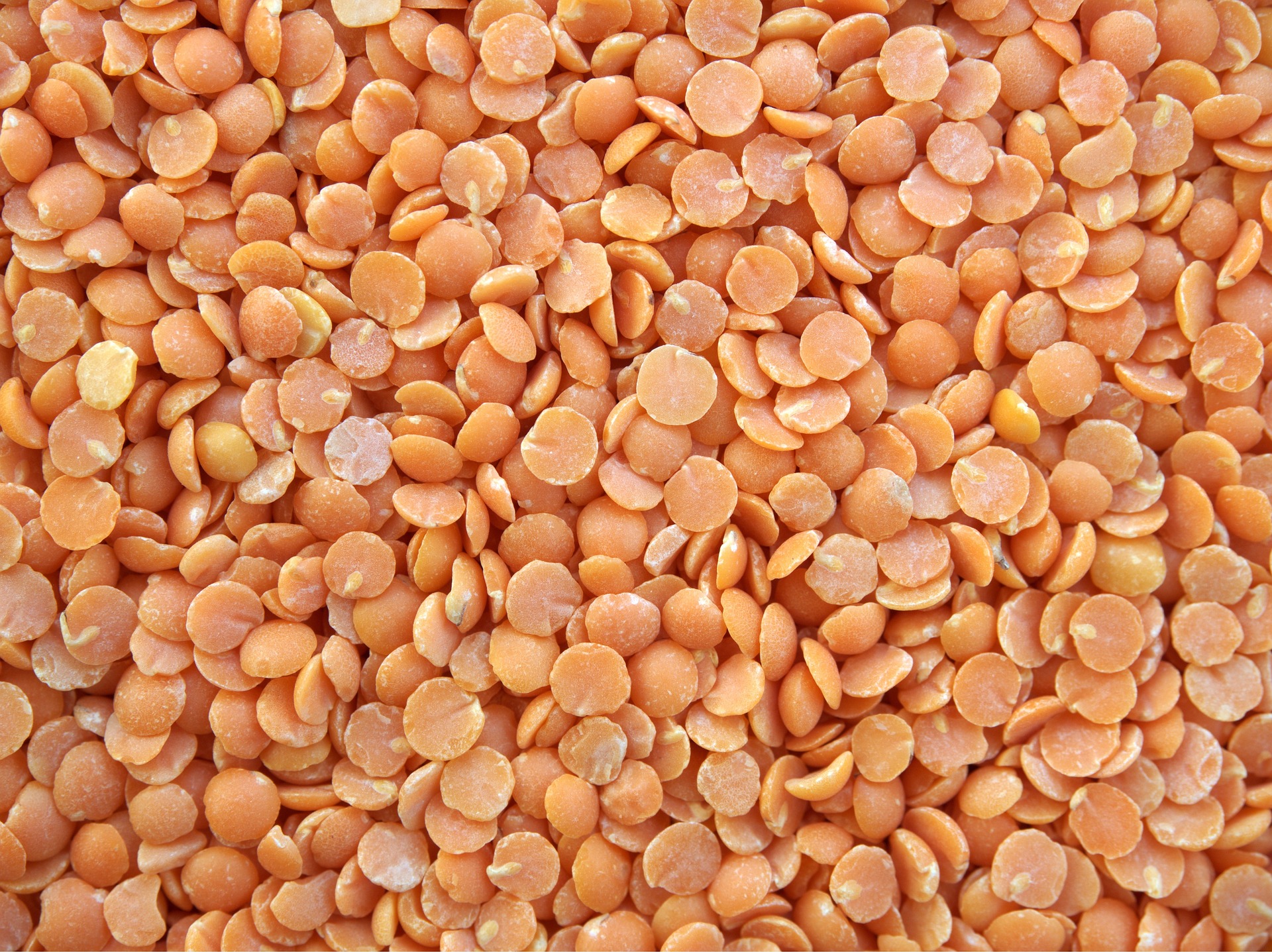
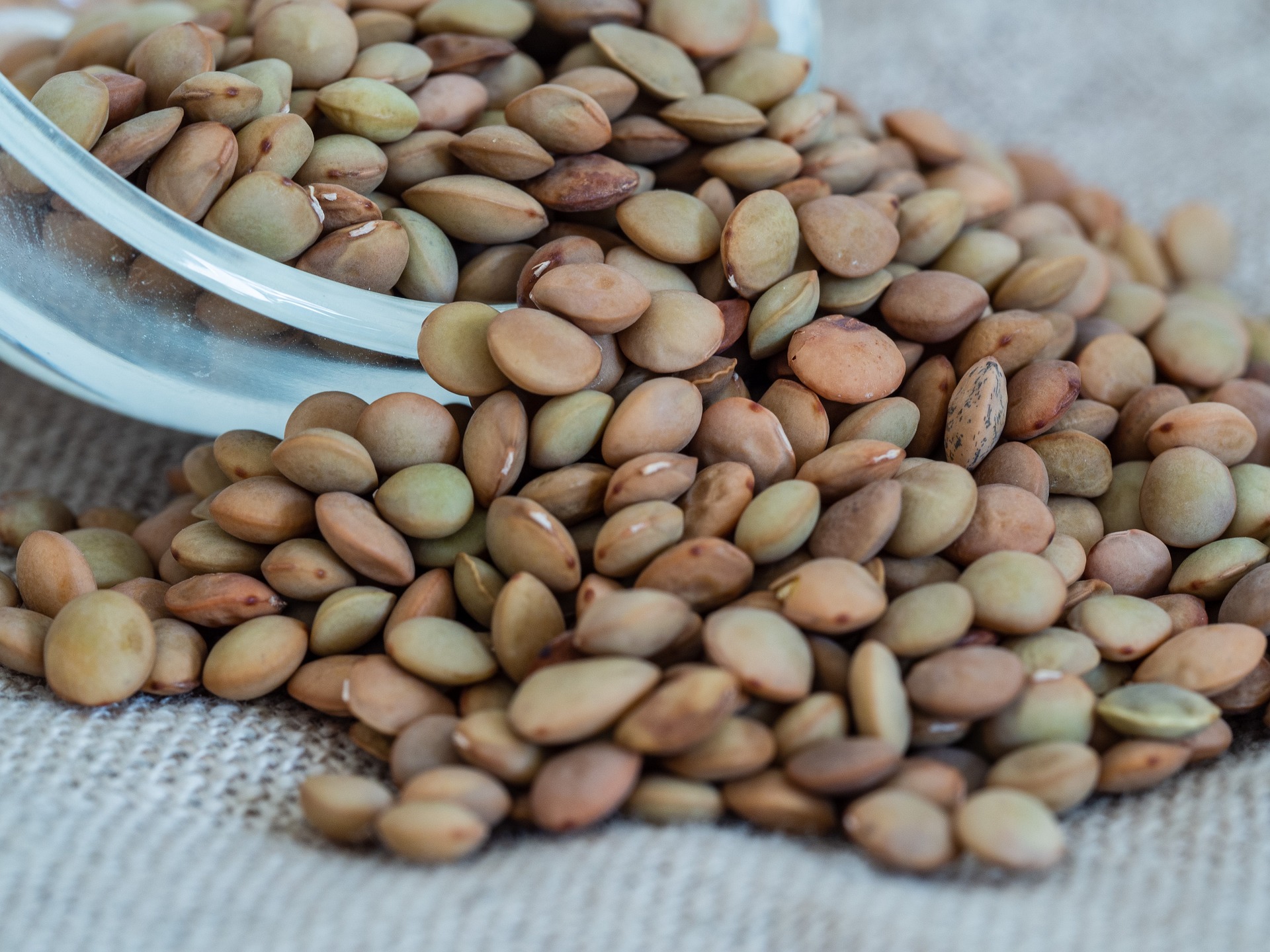
Lentils, scientifically known as Lens culinaris, are legumes that come in various colors, including green, brown, red, and black. They have been cultivated for centuries and are renowned for their versatility, nutty flavor, and nutritional value. Lentils are not only affordable and easy to cook, but they are also a powerhouse of essential nutrients.
Nutritional Value of Lentils: A Nutrient-Dense and Versatile Legume
Lentils are nutrient-dense, providing a wide array of vitamins, minerals, and macronutrients. A one-cup (198 grams) serving of cooked lentils contains approximately:
– Calories: 230
– Protein: 18 grams
– Fat: 1 gram
– Carbohydrates: 40 grams
– Fiber: 16 grams
– Iron: 6.6 milligrams (37% of the Recommended Daily Intake)
– Folate: 358 micrograms (90% of the RDI)
– Potassium: 731 milligrams (16% of the RDI)
– Vitamin B6: 0.4 milligrams (21% of the RDI)
Health Benefits of Lentils: A Nutrient-Dense and Versatile Legume
Excellent Source of Plant-Based Protein
Lentils are a fantastic plant-based protein source, making them an excellent choice for vegetarians, vegans, or those looking to reduce their meat consumption. With approximately 18 grams of protein per cooked cup, lentils provide a substantial amount of this essential macronutrient that is vital for building and repairing tissues, producing enzymes and hormones, and supporting overall health.
Rich in Fiber for Digestive Health
Lentils are a rich source of dietary fiber, with a cooked cup containing about 16 grams. This high fiber content aids in digestion, promotes regular bowel movements, and helps maintain a healthy gut. Consuming lentils as part of a balanced diet can contribute to a healthy digestive system and may reduce the risk of conditions such as constipation, hemorrhoids, and diverticulosis.
Low Glycemic Index for Blood Sugar Control
Lentils have a low glycemic index, which means they cause a gradual and steady rise in blood sugar levels compared to high-glycemic foods. This characteristic makes lentils suitable for individuals with diabetes or those aiming to manage their blood sugar levels. The fiber and protein in lentils help slow down digestion and the release of glucose into the bloodstream, promoting better blood sugar control.
Packed with Essential Vitamins and Minerals
Lentils are a nutritional powerhouse, providing an array of essential vitamins and minerals. They are particularly high in folate, iron, potassium, and vitamin B6. Folate is crucial for cell growth and development, iron is essential for oxygen transport and energy production, potassium helps regulate blood pressure and fluid balance, and vitamin B6 supports brain development and function. Including lentils in your diet can help meet your body’s nutrient requirements.
Promote Heart Health
The fiber, potassium, and antioxidants found in lentils contribute to heart health. The high fiber content helps reduce LDL (bad) cholesterol levels and may lower the risk of heart disease. Potassium helps maintain healthy blood pressure levels, and antioxidants help protect against oxidative stress and inflammation, both of which are associated with heart disease. By incorporating lentils into your meals, you can support a healthy cardiovascular system.
Creative Ways to Enjoy Lentils: A Nutrient-Dense and Versatile Legume
Lentils are incredibly versatile and can be enjoyed in various dishes. Here are some creative ways to incorporate lentils into your diet:
Lentil Soups and Stews
Lentils are a perfect addition to hearty soups and stews. They add texture, flavor, and a dose of nutrition. Try lentil soup with vegetables and spices or a hearty lentil and vegetable stew for a satisfying and nutritious meal.
Lentil Salads
Create colorful and nutritious salads by combining cooked lentils with fresh vegetables, herbs, and a flavorful dressing. Lentils add protein and fiber to salads, making them more filling and satisfying.
Lentil Burgers and Meatballs
Make delicious and meatless burgers or meatballs using lentils as the base. Combine cooked lentils with breadcrumbs, herbs, and spices. Shape into patties or meatballs, and either bake, grill, or pan-fry them for a tasty and plant-based alternative.
Lentil Curries and Stir-Fries
Add lentils to your favorite curries and stir-fries for a boost of protein and texture. They work well with a variety of spices and can absorb the flavors of the dish. Lentils can be added to vegetable curries, dals, or even used as a meat substitute in stir-fried dishes.
Lentil-based Dips and Spreads
Create flavorful dips and spreads using lentils as the main ingredient. Blend cooked lentils with herbs, spices, and a splash of lemon juice or olive oil for a nutritious dip or spread that can be enjoyed with crackers, bread, or fresh vegetables.
Incorporating Lentils Into Your Diet
Recipes
Here are a few recipes that incorporate lentils:
– Lentil and Vegetable Curry: Simmer cooked lentils with a variety of vegetables, coconut milk, and curry spices for a flavorful and hearty curry.
– Lentil Salad with Roasted Vegetables: Toss cooked lentils with roasted vegetables, such as sweet potatoes, bell peppers, and zucchini. Add a dressing made of olive oil, lemon juice, and herbs for a delicious and nutritious salad.
– Lentil and Mushroom Bolognese: Cook lentils with mushrooms, onions, garlic, and tomato sauce to create a plant-based version of the classic Italian Bolognese sauce. Serve over pasta or zucchini noodles for a satisfying meal.
– Lentil Soup with Spinach and Lemon: Simmer lentils with spinach, carrots, onions, and vegetable broth. Finish with a squeeze of lemon juice for a comforting and nourishing soup.
Meal Ideas
Here are a few meal ideas that incorporate lentils:
– Lentil Buddha Bowl: Create a balanced and colorful meal by combining cooked lentils, roasted vegetables, greens, avocado, and a drizzle of tahini dressing.
– Lentil Tacos: Fill tortillas with cooked lentils, salsa, avocado, and your favorite taco toppings for a tasty and protein-packed meatless alternative.
– Lentil and Vegetable Stir-Fry: Sauté lentils with a mix of vegetables, such as bell peppers, broccoli, and snap peas, in a flavorful sauce. Serve over rice or noodles for a quick and nutritious stir-fry.
Conclusion
Lentils are not only delicious and versatile but also offer an impressive array of nutrients and health benefits. With their high protein and fiber content, low glycemic index, and rich vitamin and mineral profile, lentils are a valuable addition to a well-rounded and nutritious diet. Whether enjoyed in soups, salads, curries, or as a meat substitute, lentils provide a satisfying and nourishing experience.
FAQs
Q1: Are lentils gluten-free?
Yes, lentils are naturally gluten-free, making them an excellent choice for individuals following a gluten-free diet.
Q2: Can lentils help with weight loss?
Lentils are a nutrient-dense and high-fiber food that can promote feelings of fullness and support weight loss goals. Including lentils in a balanced diet, combined with regular physical activity, can be beneficial for weight management.
Q3: Can lentils be included in a low-carbohydrate diet?
While lentils do contain carbohydrates, they are also high in fiber, which slows down digestion and helps stabilize blood sugar levels. While not extremely low in carbs, lentils can still be enjoyed in moderation as part of a low-carbohydrate diet.
Q4: Are lentils suitable for individuals with diabetes?
Lentils have a low glycemic index, which means they have a minimal impact on blood sugar levels. They can be included in a diabetic meal plan as part of a balanced diet. However, portion control and overall carbohydrate intake should be considered and individualized.
Q5: Can lentils be cooked and stored for later use?
Yes, lentils can be cooked and stored for later use. Cooked lentils can be refrigerated in an airtight container for up to 4-5 days or frozen for several months. It’s important to cool them before storing and reheat them thoroughly before consuming.


