


Benefits of Watermelon Seeds: Unlocking the Hidden Nutritional Powerhouse
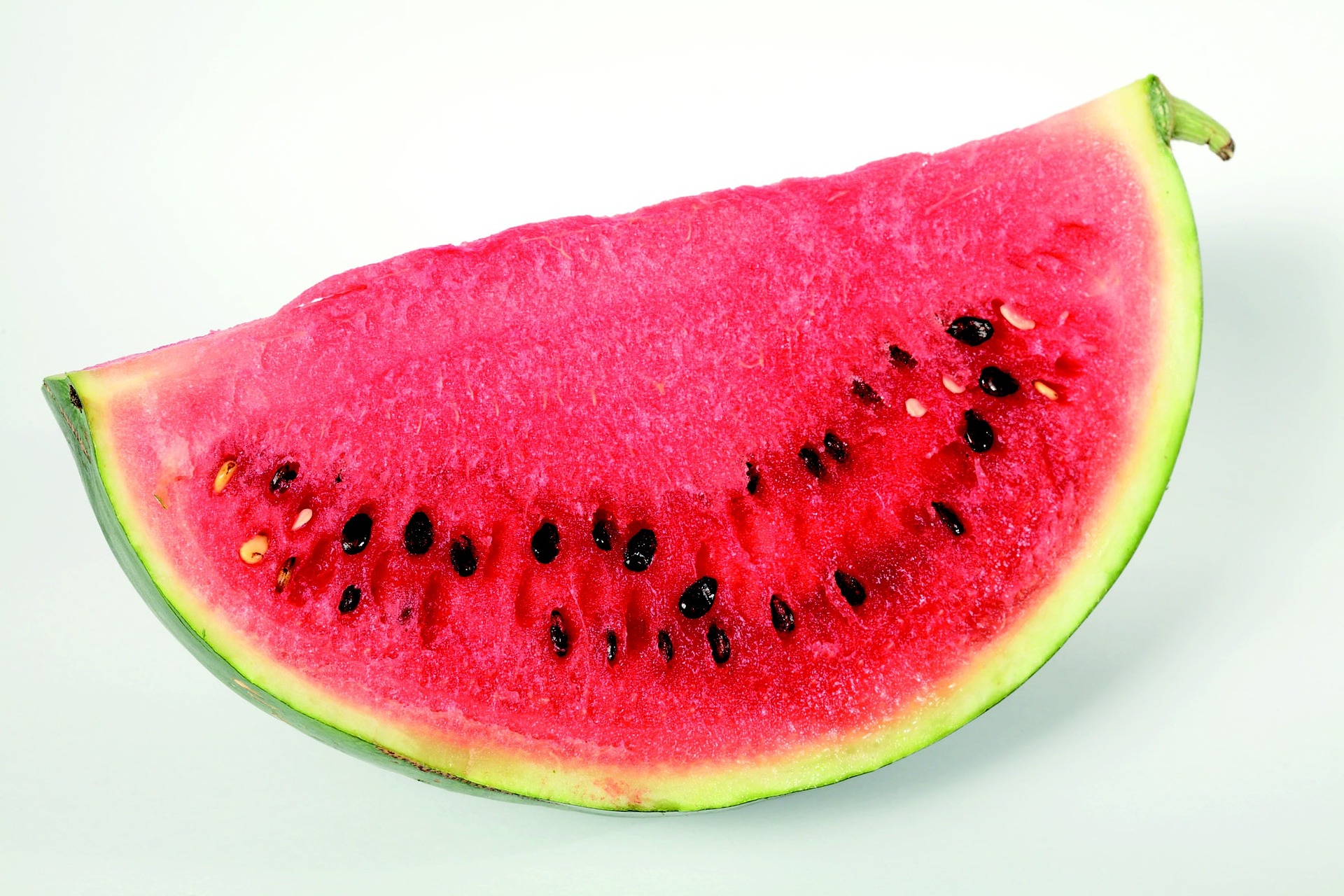
Introduction to Benefits of Watermelon Seeds
Watermelon is a delicious and hydrating fruit, but did you know that its seeds also offer incredible health benefits? Often overlooked and discarded, watermelon seeds are a nutritional powerhouse packed with essential nutrients, including protein, healthy fats, fiber, vitamins, and minerals.
1. Nutritional Profile of Benefits of Watermelon Seeds
Watermelon seeds are a rich source of nutrients such as magnesium, iron, zinc, and folate. They contain heart-healthy fats, including monounsaturated and polyunsaturated fats, which help reduce bad cholesterol levels and support cardiovascular health. Additionally, watermelon seeds provide essential vitamins like vitamin B and minerals like phosphorus and copper.
2. Heart Health and Cholesterol Management
The healthy fats present in watermelon seeds help maintain healthy blood lipid levels, reducing the risk of cardiovascular diseases. They also contain magnesium, which supports proper heart function and helps regulate blood pressure.
3. Digestive Health and Weight Management
Watermelon seeds are rich in dietary fiber, which aids in digestion and promotes regular bowel movements. Adequate fiber intake is essential for a healthy digestive system and can help manage weight by promoting feelings of fullness.
4. Immune System Support
Watermelon seeds are a good source of essential vitamins and minerals that support a robust immune system. They contain vitamin C, which boosts immune function, and zinc, which plays a crucial role in immune response.
5. Bone Health and Osteoporosis Prevention
The minerals present in watermelon seeds, such as magnesium, phosphorus, and copper, contribute to strong and healthy bones. These minerals support bone density and help prevent age-related bone disorders like osteoporosis.
6. Skin and Hair Health
Watermelon seeds contain essential fatty acids that nourish the skin and promote a healthy complexion. They also contribute to hair strength and shine, supporting overall skin and hair health.
7. Antioxidant Properties
Watermelon seeds possess antioxidant properties due to their content of vitamin E and certain compounds like cucurbitacin E. These antioxidants help neutralize free radicals, reduce inflammation, and protect the body from oxidative stress.
8. Diabetes Management
Watermelon seeds have a low glycemic index and contain beneficial nutrients like magnesium and fiber. These properties make them a suitable option for individuals with diabetes as part of a balanced diet.
9. Nutritious Snack Option
Watermelon seeds can be roasted and seasoned, creating a delicious and nutritious snack. They provide a satisfying crunch while offering a range of health-promoting nutrients.
How to Enjoy Watermelon Seeds: Delicious and Healthy Ideas
Watermelon seeds offer a variety of culinary possibilities beyond their nutritional benefits. By incorporating them into creative recipes, you can transform these seeds into delightful snacks and meals. Here are some mouthwatering ideas to make the most of watermelon seeds:
1. Roasted Watermelon Seeds:
To enjoy a simple and savory snack, roast watermelon seeds. Spread the seeds on a baking sheet and roast them in the oven until they turn slightly golden. Sprinkle some salt over the roasted seeds for added flavor. This quick and healthy option is perfect for on-the-go snacking.
2. Watermelon Seeds Bar:
Indulge in a sweet and crunchy treat by making watermelon seeds bars. Start by roasting watermelon seeds on a skillet until they acquire a reddish hue. Transfer the roasted seeds to a bowl and coat them in a thick sugar syrup. Brush a pan with coconut oil and press the sugar-coated seeds onto it, forming thick cakes. Cut the cakes into bars and enjoy the delectable combination of sweetness and crunch.
3. Watermelon Seeds Rice:
For a spicy and flavorful meal, try watermelon seeds rice. Dry roast watermelon seeds along with red chilies in a pan. Transfer the roasted mixture to a bowl and add salt and sugar. Grind the mixture to a coarse powder. In a separate pan, heat oil and add mustard seeds, urad dal, curry leaves, and asafoetida. Then, add peanuts and shallow fry until they turn dark brown. Finally, mix in pre-boiled rice and the coarsely ground watermelon seeds powder. Blend everything well, and your aromatic watermelon seeds rice is ready to be savored by the whole family.
4. Watermelon Seeds Barfi:
Indulge in a healthy dessert by preparing watermelon seeds barfi. Grind watermelon seeds into a fine powder. In a pan, make a sugar syrup and add the powder to it. Stir until it forms a thick, cake-like mixture. Cut the mixture into small diamond-shaped pieces, and your mouthwatering watermelon seeds barfi is ready to be served.
By exploring these creative ways to consume watermelon seeds, you can enjoy their nutritional benefits while satisfying your taste buds. From savory roasted snacks to delightful desserts, watermelon seeds offer endless culinary possibilities.
Remember to store watermelon seeds in an airtight container in a cool, dry place to maintain their freshness. Get creative in the kitchen and discover the versatile and delicious world of watermelon seeds!
Conclusion
Watermelon seeds, often discarded, are a treasure trove of nutrition. From supporting heart health to aiding digestion, boosting the immune system to promoting healthy skin and hair, these seeds offer a wide array of health benefits. Incorporating watermelon seeds into your diet as a snack or as an ingredient in various recipes can enhance your overall well-being.
FAQs
1. Are watermelon seeds safe to eat?
2. How should I consume watermelon seeds?
3. Can watermelon seeds help in weight loss?
4. Are there any precautions or side effects associated with watermelon seeds?
5. Can watermelon seeds be given to children?


