


Watermelon: A Refreshing and Nutritious Summertime Fruit

Watermelon is a beloved fruit, especially during the hot summer months. Known for its juicy and refreshing nature, watermelon not only quenches your thirst but also provides a range of health benefits. In this article, we will explore the nutritional value of watermelon, its potential health benefits, and creative ways to enjoy this delicious fruit. Get ready to dive into the world of watermelon and discover why it’s a perfect addition to your summer menu!
Introduction to Watermelon: A Refreshing and Nutritious Summertime Fruit
Watermelon, scientifically known as Citrullus lanatus, is a fruit that belongs to the Cucurbitaceae family. It is native to Africa but is now cultivated in many parts of the world. Watermelon is prized for its high water content, vibrant color, and sweet taste. It is a staple at picnics, barbecues, and summer gatherings due to its refreshing and hydrating properties.
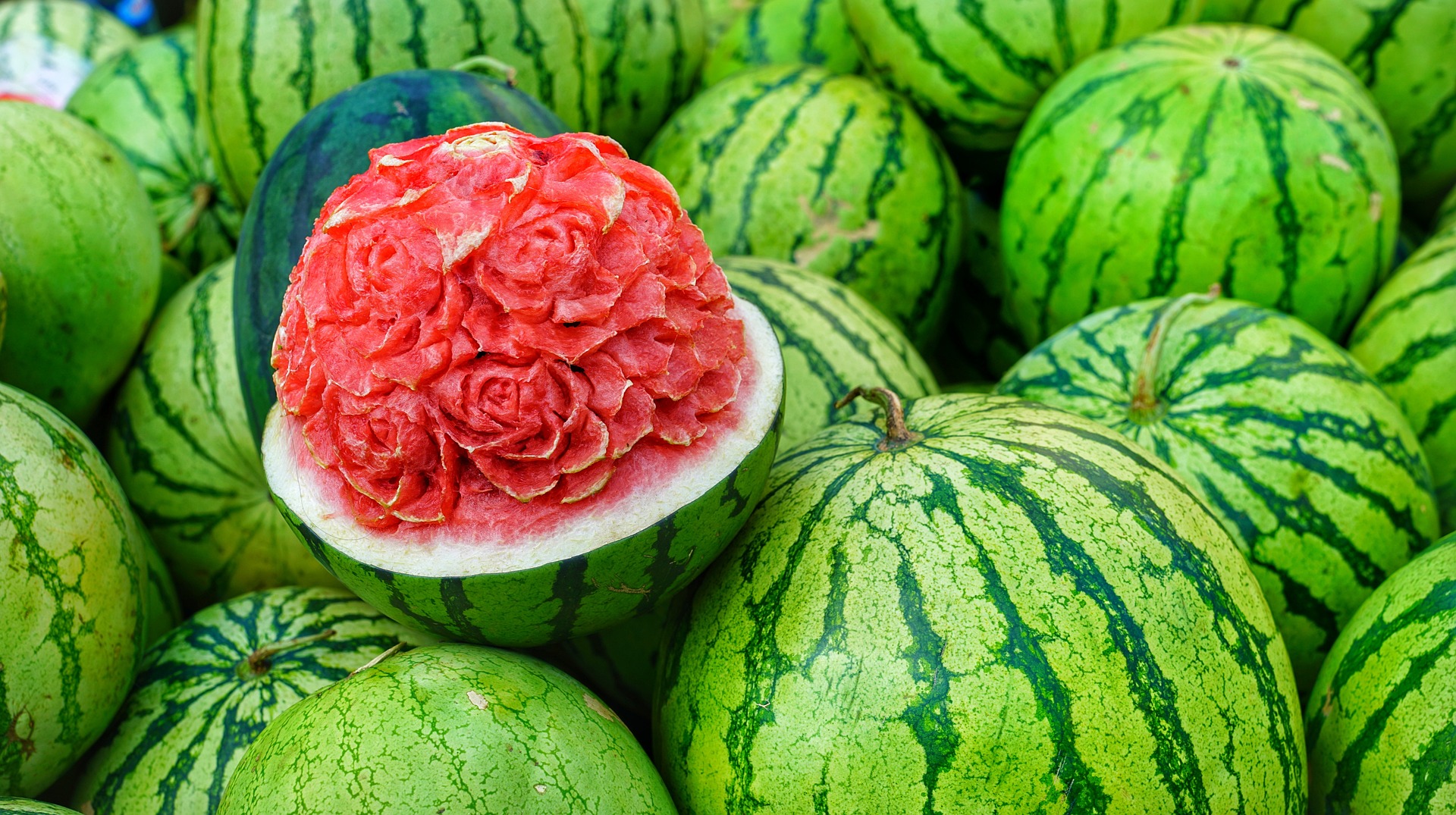
Nutritional Value of Watermelon: A Refreshing and Nutritious Summertime Fruit
Watermelon is not only delicious but also nutritious. It is low in calories and a good source of essential vitamins, minerals, and antioxidants. A one-cup (152-gram) serving of diced watermelon contains approximately:
– Calories: 46
– Carbohydrates: 11 grams
– Fiber: 0.6 grams
– Protein: 0.9 grams
– Vitamin C: 12.5 milligrams (21% of the Recommended Daily Intake)
– Vitamin A: 569 international units (11% of the RDI)
– Potassium: 170 milligrams (5% of the RDI)
– Magnesium: 15 milligrams (4% of the RDI)
– Lycopene: 6,889 micrograms
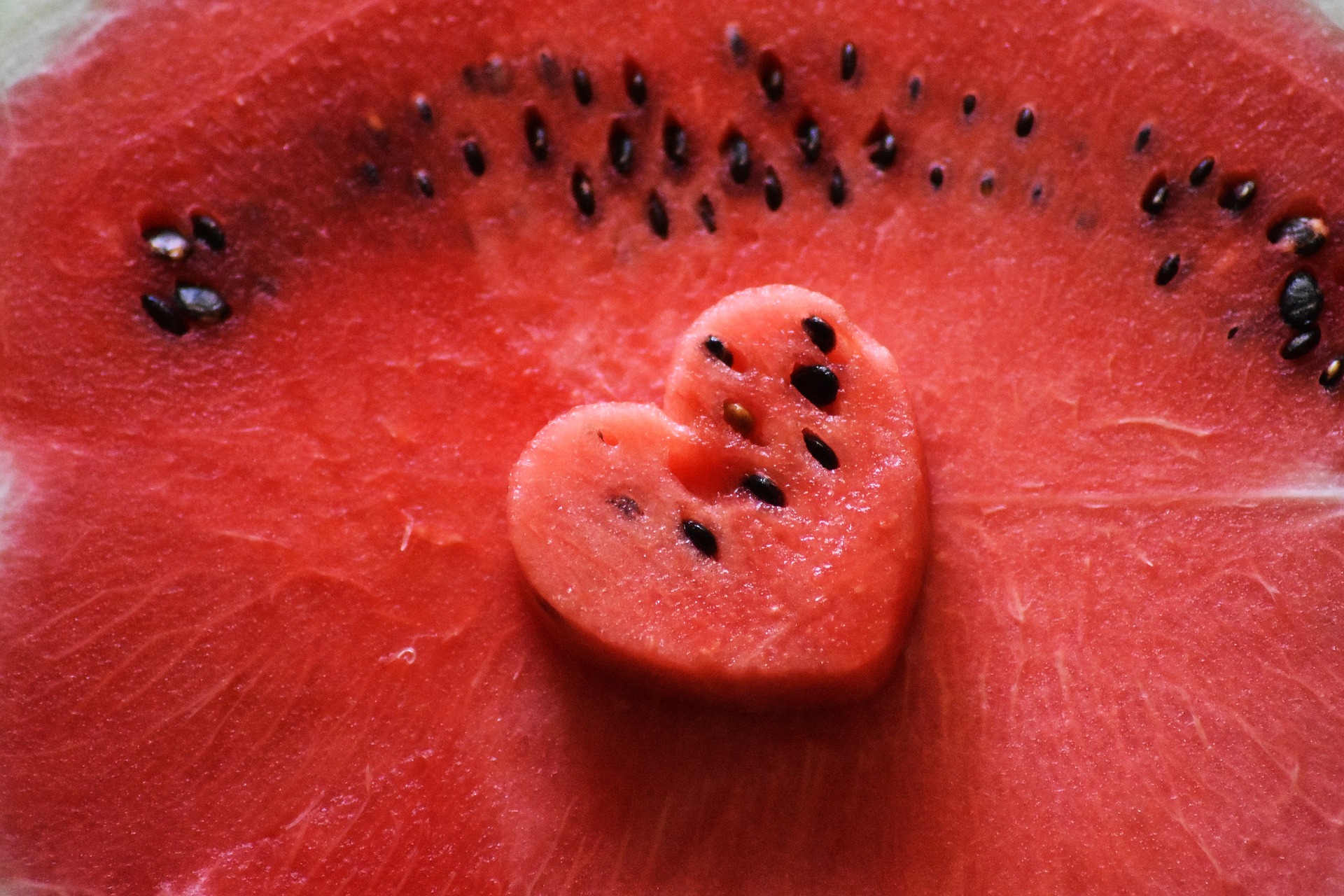
Health Benefits of Watermelon
1. Hydration and Electrolyte Balance
As its name suggests, watermelon has a high water content, making it an excellent choice to stay hydrated, especially during hot summer days. Staying hydrated is crucial for maintaining proper bodily functions, regulating body temperature, and supporting overall health. Additionally, watermelon contains electrolytes like potassium, which helps maintain the body’s fluid balance. With its high water content of around 92%, watermelon is an excellent choice to stay hydrated. Proper hydration is essential for maintaining overall health and well-being.
2. Rich in Antioxidants
Watermelon is packed with antioxidants, including vitamin C, which boosts the immune system and promotes collagen production for healthy skin and lycopene. These compounds help neutralize harmful free radicals in the body, protecting cells from oxidative damage. Lycopene, in particular, has been associated with reducing the risk of certain cancers, including prostate and lung cancers. It also contains vitamin A, which supports good vision and a healthy immune system. Additionally, watermelon provides potassium, which helps maintain proper electrolyte balance and supports heart health. Watermelon is loaded with powerful antioxidants like lycopene, beta-carotene, and cucurbitacin E. These antioxidants help protect the body against oxidative stress, reduce inflammation, and lower the risk of chronic diseases.
3. Heart Health Support
Watermelon contains citrulline, an amino acid that plays a role in promoting heart health. Citrulline helps relax blood vessels, which may contribute to lower blood pressure levels. Additionally, watermelon is a good source of potassium, which is essential for maintaining a healthy heart rhythm and blood pressure.
4. Promotes Digestive Health
Watermelon is a hydrating fruit that contains a decent amount of fiber. Fiber is important for digestive health as it adds bulk to the stool, promotes regular bowel movements, and supports a healthy gut microbiome. Consuming watermelon can help prevent constipation and promote a healthy digestive system.
5. Skin and Hair Health
The high water content in watermelon, along with its antioxidant properties, can benefit the health of your skin and hair. Staying hydrated helps keep your skin moisturized and supple, while antioxidants help protect against damage caused by free radicals. Additionally, watermelon is a good source of vitamin C, which is important for collagen synthesis, a protein that supports skin elasticity. The presence of vitamins A and C in watermelon also contributes to healthy hair growth.
6. Weight Management
Despite being sweet and delicious, watermelon is low in calories and fat. It is also rich in fiber, which aids digestion and promotes feelings of fullness. Including watermelon in a balanced diet can support weight management goals.
7. Kidney Function
Watermelon has natural diuretic properties due to its high water and potassium content. It helps flush out toxins and waste from the body, supporting proper kidney function.
8. Muscle Recovery
Watermelon contains an amino acid called citrulline, which is converted into arginine in the body. Arginine plays a vital role in relaxing blood vessels, improving blood flow, and aiding in muscle recovery after exercise.
10. Cancer Prevention
Some studies suggest that the antioxidants and bioactive compounds in watermelon, such as lycopene, may help reduce the risk of certain types of cancers, including prostate and breast cancer.
Creative Ways to Enjoy Watermelon: A Refreshing and Nutritious Summertime Fruit
Watermelon is a versatile fruit that can be enjoyed in various ways. Here are some creative ways to incorporate watermelon into your diet:
Fresh and Juicy
Enjoy watermelon in its simplest form by slicing it into wedges or cubes and eating it fresh. Its natural sweetness and juiciness make it a delightful snack, perfect for hot summer days.
Watermelon Salads
Combine diced watermelon with other fresh fruits like berries, cucumber, mint, and feta cheese for a refreshing summer salad. Drizzle with a light dressing or a splash of lime juice for an extra burst of flavor.
Watermelon Smoothies and Slushies
Blend watermelon chunks with ice, a squeeze of lime juice, and a handful of mint leaves for a refreshing watermelon smoothie or slushie. You can also add other fruits like strawberries or pineapple for additional flavors.
Watermelon Salsa and Skewers
Create a unique salsa by combining diced watermelon with ingredients like red onion, jalapeño, cilantro, and lime juice. Serve it with tortilla chips or as a topping for grilled fish or chicken. You can also thread watermelon cubes onto skewers along with other fruits and grill them for a delicious and colorful summer treat.
Watermelon Frozen Treats
Freeze watermelon cubes and blend them until smooth to create a healthy and refreshing watermelon sorbet. You can also make watermelon popsicles by inserting popsicle sticks into watermelon wedges and freezing them until solid.
Incorporating Watermelon Into Your Diet
Recipes
Here are a few recipes that incorporate watermelon:
– Watermelon Feta Salad: Combine cubed watermelon, crumbled feta cheese, mint leaves, and a drizzle of balsamic glaze for a sweet and savory salad.
– Watermelon Gazpacho: Blend watermelon, cucumber, tomatoes, red onion, bell pepper, and herbs together for a refreshing and chilled summer soup.
– Watermelon and Cucumber Salad: Toss watermelon cubes, sliced cucumber, red onion, and fresh herbs with a simple dressing made of olive oil, lemon juice, and honey for a light and crisp salad.
Meal Ideas
Here are a few meal ideas that incorporate watermelon:
– Grilled Watermelon Steak: Slice watermelon into thick steaks and grill them for a few minutes on each side. Serve the grilled watermelon steaks with a sprinkle of salt, a drizzle of balsamic glaze, and a garnish of fresh herbs for a unique and flavorful side dish.
– Watermelon and Feta Skewers: Thread watermelon cubes, feta cheese, and fresh basil leaves onto skewers for a refreshing appetizer or snack.
– Watermelon and Shrimp Salad: Combine diced watermelon, cooked shrimp, avocado slices, arugula, and a citrus dressing for a light and satisfying summer salad.
– Watermelon and Chicken Kebabs: Alternate cubes of watermelon, grilled chicken, and vegetables on skewers. Brush with a teriyaki or barbecue glaze and grill until cooked through for a delicious and colorful meal.
Conclusion
Watermelon is more than just a refreshing summer fruit; it’s a hydrating and nutritious addition to your diet. With its high water content, essential vitamins, minerals, and antioxidants, watermelon offers numerous health benefits. Whether enjoyed fresh, in salads, smoothies, or as part of creative recipes, watermelon adds a burst of flavor and a touch of sweetness to your summer menu.
FAQs
Q1: Is watermelon a good source of hydration?
Yes, watermelon has a high water content, making it an excellent choice for hydration. It can help replenish fluids and electrolytes in the body, especially during hot summer days.
Q2: Can watermelon help with weight management?
Watermelon is low in calories and high in water content, which can help you feel full while consuming fewer calories. Including watermelon as part of a balanced diet can support weight management goals.
Q3: Can watermelon cause allergies?
While rare, some individuals may have allergies to watermelon. Allergic reactions to watermelon can range from mild symptoms like itching or swelling to more severe reactions. If you experience any allergic symptoms after consuming watermelon, seek medical attention.
Q4: Can watermelon be frozen?
Yes, watermelon can be frozen for later use. Simply cut the watermelon into cubes or slices, place them on a baking sheet in a single layer, and freeze. Once frozen, transfer the watermelon pieces to a sealed container or bag and keep them in the freezer for up to several months.
Q5: Is watermelon safe for diabetics?
Watermelon is relatively low in calories and has a moderate glycemic index. However, it is important for individuals with diabetes to monitor their carbohydrate intake and consider portion sizes when consuming watermelon. It is recommended to consult with a healthcare professional or a registered dietitian for personalized guidance.


